Featured
How Extended Guidance Such as Follow-Up Services can Save...
Examine This Report about Community-Based Debt Forgivenes...
How Bankruptcy Counseling Makes a Difference Fundamentals...
Not known Facts About Certification to Look For from the Industry
Table of Contents
That liberates cash in the short-term, and you might have three to four years to save toward the settlement quantity. Extremely unsafe to credit report, mostly due to missed settlements and a negative "settled" mark that might stay on your debt report for as much as 7 yearsMay be only option if various other alternatives (financial obligation combination, balance transfer bank card, financial obligation mercy) aren't possibleTypically requires a charge to the 3rd party, which can counter some or all of the cost savings from financial debt settlementMay help you prevent insolvency if you have actually missed a number of paymentsNot all financial institutions work with financial obligation negotiation companies Debt forgiveness may be right for you if you are experiencing a financial challenge that makes it nearly impossible to pay down your financial obligation equilibriums.
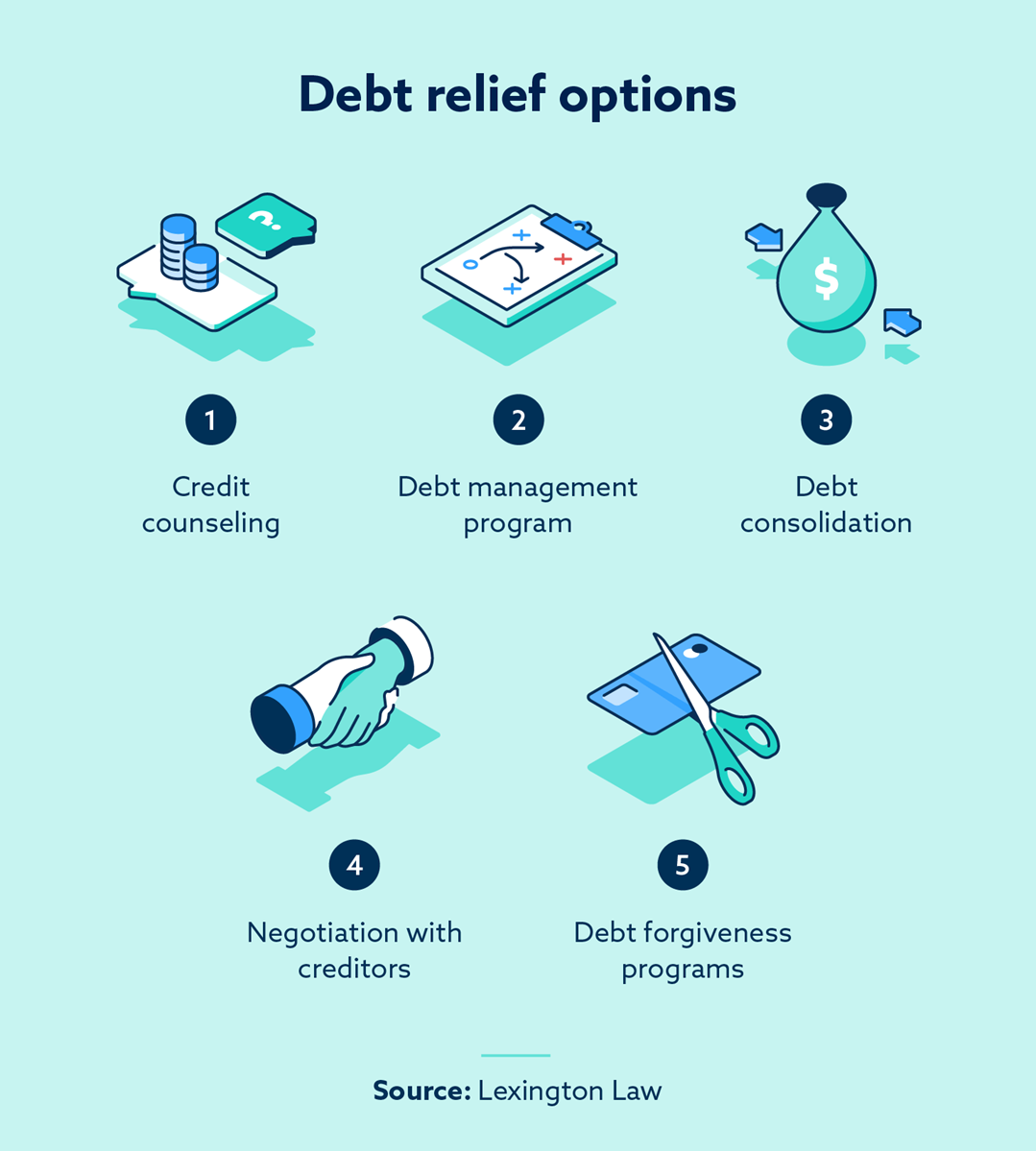
With a DMP, you make one monthly settlement to the credit scores therapy firm. Those funds are after that dispersed to lenders of your unsecured financial obligations, such as bank card and installment financings. The company collaborates with your financial institutions to lower rate of interest or waive costs, however some lenders might refuse such giving ins.
It can assist you pay down financial obligation if you're able to safeguard a funding price that's reduced than the ordinary rate of the accounts you're consolidating. You have to avoid from racking up debt on those newly removed accounts or your debt can expand even higher.

These cards typically offer a 0% interest initial duration of up to 21 months. That offers you lots of time to eliminate or significantly decrease your balance while making interest-free payments. For some people encountering insurmountable financial debt, bankruptcy may be the only means to quit collection process and legitimately solve their financial obligations.
Getting My Understanding Your The Intersection of Technology and Financial Vulnerability: Digital Debt Traps Options Before Filing To Work
You may need it if your financial institution or a debt collection agency ever before tries to gather on the financial obligation in the future. The letter can prove you don't owe what the debt collection agency's documents reveal. Yes, in many cases, the internal revenue service considers forgiven financial obligation as gross income. When a lender forgives $600 or even more, they are required to send you Form 1099-C.
Debt mercy or settlement usually injures your debt. Anytime you work out a financial debt for much less than you owe, it may look like "cleared up" on your credit record and affect your credit rating for 7 years from the date of negotiation. Your credit rating can likewise go down considerably in the months causing the forgiveness if you fall behind on repayments.
Some Known Questions About Documents to Prepare When Pursuing The Intersection of Technology and Financial Vulnerability: Digital Debt Traps.
Tax financial obligation concession programs Tax financial obligation takes place when the amount of taxes you owe surpasses what you have paid. This circumstance often arises from underreporting income, not submitting returns in a timely manner, or inconsistencies located throughout an internal revenue service audit. The consequences of building up tax debt are significant and can consist of tax liens, which offer the IRS a legal case to your residential property as protection for the financial debt.
Higher passion prices on readily available credit score. Wages and Bank Accounts internal revenue service can levy (seize) wages and checking account to please the financial debt. Decreased revenue and disruption of necessary monetary procedures. Residential property Seizure In severe instances, the IRS can seize and offer property to cover the financial obligation. Loss of important properties and potential displacement.
Clinical depression, stress and anxiety, and other mental health problems. Social Preconception Facing lawsuit from the internal revenue service can bring social stigma. Damage to track record and connections. Work Opportunities An inadequate credit rating because of strain debt can restrict employment opportunities. Difficulty searching for or keeping a task. Government Advantages Tax obligation financial debt may impact qualification for federal government benefits, such as Social Safety And Security and Medicaid.
Actual Testimonials from Debt Relief Recipients for Dummies
The OIC considers several variables, consisting of the taxpayer's income, expenditures, property equity, and capacity to pay. Successfully working out an OIC can be complicated, calling for a comprehensive understanding of the IRS's standards and a strong debate for why your deal aligns with your ability to pay. It's vital to keep in mind that not all applications are approved, and the procedure calls for thorough monetary disclosure.
The internal revenue service assesses your total economic situation, including your earnings, costs, property equity, and capacity to pay. You have to additionally be present with all declaring and settlement requirements and not be in an open insolvency proceeding. The internal revenue service likewise considers your compliance background, assessing whether you have a document of timely filing and paying taxes in previous years.
Some Known Questions About Actionable Tips Following The Intersection of Technology and Financial Vulnerability: Digital Debt Traps.
The application process for an Offer in Concession entails numerous thorough steps. You must complete and send IRS Type 656, the Offer in Concession application, and Kind 433-A (OIC), a collection information statement for individuals. These types require extensive economic info, consisting of details regarding your revenue, financial debts, expenses, and possessions.
Back tax obligations, which are overdue tax obligations from previous years, can substantially boost your complete IRS financial debt if not resolved quickly. This financial debt can build up rate of interest and late settlement fines, making the initial amount owed a lot larger in time. Failure to repay tax obligations can lead to the IRS taking enforcement activities, such as providing a tax obligation lien or levy versus your home.
It is very important to resolve back taxes immediately, either by paying the full amount owed or by setting up a repayment plan with the internal revenue service. By taking positive steps, you can prevent the accumulation of added passion and fines, and avoid extra hostile collection actions by the IRS.
One typical factor is the belief that the taxpayer can pay the total either as a round figure or via a payment strategy. The IRS likewise thinks about the taxpayer's income, costs, possession equity, and future earning possibility. If these factors show that the taxpayer can pay for to pay more than the used quantity, the IRS is most likely to deny the offer.
The Ultimate Guide To Categories of Relief Programs You Should Know About
It is important to supply precise and full information in your application and to speak with a tax obligation specialist to boost the opportunities of acceptance. Handling IRS debt can be complex and difficult. Tax experts, such as Certified public accountants, tax lawyers, or registered representatives, can provide important assistance. They have the proficiency to navigate the details of tax obligation law and IRS procedures.

Table of Contents
Latest Posts
How Extended Guidance Such as Follow-Up Services can Save You Time, Stress, and Money.
Excitement About Permanent Effects on How to Build an Emergency Fund While Paying Off Debt Decisions
Examine This Report about Community-Based Debt Forgiveness Programs Explained
More
Latest Posts
How Extended Guidance Such as Follow-Up Services can Save You Time, Stress, and Money.
Excitement About Permanent Effects on How to Build an Emergency Fund While Paying Off Debt Decisions
Examine This Report about Community-Based Debt Forgiveness Programs Explained